
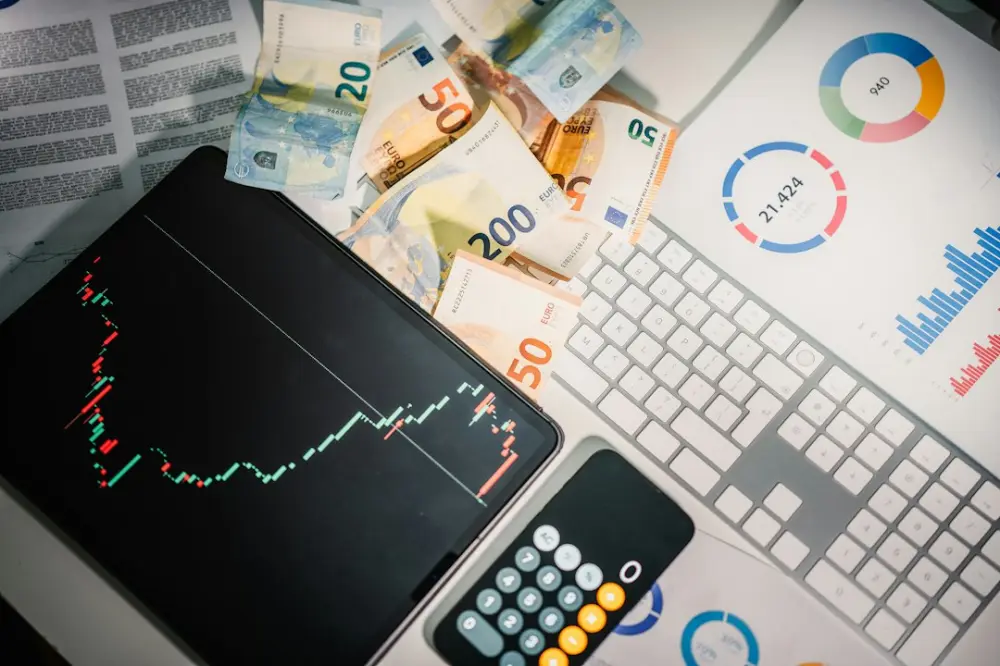
Digital financial concepts encompass the mechanisms used to store, transfer, and verify value through software rather than physical exchange. This includes everything from the balances in your traditional checking account to digital-native assets like central bank currencies. Understanding these systems means learning how ledgers, digital wallets, and encrypted communication protocols work together to manage your money and data securely.
While these tools offer speed, they also introduce a new tension between convenience and privacy. Every transaction creates a data trail that financial institutions must track to prevent fraud. Balancing the ease of instant payments with the need to protect your personal identity is a core challenge for anyone navigating modern value systems today.
Digital Finance Defined for Beginners
To understand the modern financial environment, it is helpful to distinguish between digitized money and digital-native assets. Digitized money is what most people use daily—the balance in a checking account at a traditional bank. This represents a claim on physical currency held by the bank. Digital-native assets, such as certain cryptocurrencies or central bank digital currencies (CBDCs), exist only on a ledger and do not necessarily have a physical counterpart.
A central concept in this space is the digital wallet. Unlike a leather wallet that holds bills, a digital wallet holds the "keys" or permissions required to move value from one account to another. For example, when using a service like Apple Pay or a dedicated crypto wallet, the software provides a secure signature that proves you have the right to spend those funds. This removes the need for a physical card swipe, replacing it with an encrypted data exchange that happens in milliseconds.
Another foundational term is the ledger. Historically, a ledger was a physical book where a merchant recorded debits and credits. In 2026, ledgers are almost entirely digital and often distributed. This means that instead of one bank keeping the only copy of your transaction history, multiple computers might cross-reference the data to ensure no one is "double-spending" or falsifying records. This transparency is what makes modern digital systems more resilient against simple accounting errors.
How Digital Money Actually Works
The mechanics of digital value rely on synchronization. When you buy a coffee with a smartphone, several things happen at once. The merchant’s point-of-sale system communicates with a payment processor, which then talks to your bank. These systems must agree that you have the funds before the transaction is approved. understanding how digital value moves between these different entities is the first step in mastering financial literacy today.
Most of this movement happens through APIs (Application Programming Interfaces). Think of an API as a digital waiter that takes your order (the payment request) to the kitchen (the bank's database) and brings back the result (the approval). This infrastructure is the reason you can see your updated balance almost instantly after a purchase. Without these high-speed connections, digital finance would be as slow as mailing a check.
In more advanced systems, such as decentralized finance (DeFi), the "waiter" is replaced by a smart contract. This is a piece of code that automatically executes a transaction when certain conditions are met, such as a specific date or a price target. For instance, an automated savings app might use a simple version of this logic to move $10 into a high-yield account every time you receive a paycheck, requiring no manual intervention from you or a bank teller.
Why Your Data Privacy Matters Online
As money becomes data, the privacy of that data becomes a primary concern. Every digital transaction leaves a footprint. Financial institutions are required by law to follow "Know Your Customer" (KYC) protocols, which means they must verify your identity to prevent fraud and money laundering. While this adds a layer of security, it also means your spending habits and personal details are stored in various databases.
Protecting this information involves more than just strong passwords. It requires an understanding of how platforms handle your data. For example, professional networks like LinkedIn respect your privacy by allowing you to control who sees your financial interests or professional associations, but the underlying data is still part of a larger ecosystem. If a breach occurs at a major service provider, your financial profile could be at risk.
Encryption is the primary tool used to keep your money safe. When you enter a credit card number on a website, the data is scrambled into a code that can only be read by the intended recipient. In 2026, two-factor authentication (2FA) has become the standard for any financial interaction. By requiring a second form of ID—like a fingerprint or a code sent to a separate device—you ensure that even if someone steals your password, they cannot access your funds. Maintaining this "digital hygiene" is a critical part of modern financial literacy.
Economic Shifts: Market and Election Impacts
Digital financial systems do not exist in a vacuum; they are heavily influenced by the broader economic and political climate. As of November 2026, the United States is navigating the results of crucial midterm elections. These political shifts often lead to changes in how digital assets are regulated. New leadership in Washington can mean stricter oversight for stablecoins or more support for traditional banking digitization, directly affecting how much you pay in transaction fees or how your data is protected.
We are also seeing significant market shifts driven by technological infrastructure. For example, companies like AMD have seen surging growth in their data center divisions. This is relevant to the average consumer because those data centers provide the processing power required to run global payment networks and AI-driven fraud detection. When the hardware that supports digital finance becomes more efficient, the services we use become faster and cheaper.
Inflation and interest rates also play a role in how digital value is managed. In a high-interest environment, digital platforms often compete to offer better yields on "parked" cash. Understanding these cycles helps you decide whether to keep your value in a traditional savings account or move it into a digital asset that might offer different risks and rewards. Keeping an eye on tech earnings and political outcomes provides a clearer picture of where the financial system is headed.
Smarter Choices with Bomesp Resources
Navigating the complexities of modern finance requires a commitment to ongoing learning. It is not enough to simply use the tools; one must understand the underlying logic of how value is recorded and moved. Relying on automated systems without oversight can lead to errors in budgeting or missed opportunities for growth. By focusing on the mechanics of data integrity, individuals can better protect their assets from both technical failures and external threats.
Effective management of digital assets involves regular audits of your connected accounts and an awareness of how transactional infrastructure supports reliable outcomes for your personal economy. Whether you are tracking a simple bank balance or managing a diverse portfolio of digital tokens, the principles of verification and security remain the same. The more you know about the "plumbing" of the financial system, the less likely you are to be caught off guard by systemic changes.
At BOMESP, we prioritize the clarity of these systems to ensure that users can engage with digital value confidently. Our focus on financial information literacy helps bridge the gap between complex technical protocols and everyday practical usage. By breaking down how money moves and how data is secured, BOMESP empowers readers to make informed decisions in an increasingly digital world. Understanding these concepts is the foundation of long-term financial stability in 2026 and beyond.
BOMESP provides general information only. This article is not financial, investment, tax, or trading advice. Past performance does not guarantee future results. Consult a qualified financial adviser, accountant, or tax professional before making investment, borrowing, or tax decisions.